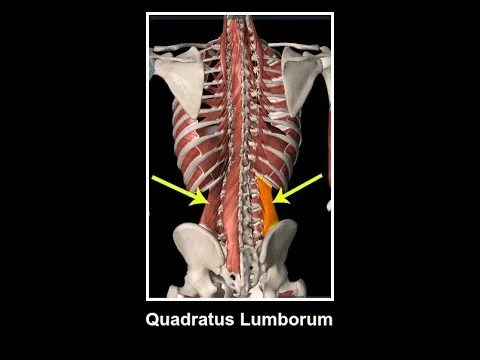
Low back pain is one of the most common complaints we see at Wildflower Acupuncture in Longmont, Colorado and one of the most overlooked causes is a deep stabilizing muscle called the Quadratus Lumborum (QL).
If you’ve been told you have “tight hips,” “sciatica,” or a “locked-up back,” but nothing seems to fully resolve it, your QL may be the missing piece.
What Is the Quadratus Lumborum (QL)?
The Quadratus Lumborum is a deep core muscle located on either side of your spine in the low back. It connects your pelvis to your ribs and helps:
Stabilize the lumbar spine
Support upright posture
Assist with side bending
Control pelvic alignment
Support breathing mechanics
Because of its location and nerve referral patterns, QL dysfunction often mimics sciatica, even when the sciatic nerve isn’t the problem.
Signs Your QL May Be Causing Your Low Back Pain
Do you experience:
One-sided low back pain?
Sudden spasms or acute “grabby” back pain?
A feeling like your spine is “locked up”?
Pain radiating into your glute or upper thigh?
Low back pain that now feels like hip pain?
Increased pain when sitting for long periods?
These are classic signs of QL imbalance or weakness.
Many patients come into my Longmont clinic convinced they have disc issues or sciatica — when in reality, the QL is the primary driver.
Why the QL Gets Tight and Painful
We use our backs constantly:
Sitting at desks
Driving
Lifting kids or groceries
Standing unevenly
Carrying bags on one side
Athletic overuse
The QL often compensates when the deeper core muscles aren’t firing properly. Over time, this leads to:
Muscle guarding
Trigger points
Pelvic imbalance
Referred pain patterns
Simply strengthening your core, especially deep stabilizers, can significantly reduce chronic low back pain.
How to Test Your QL Strength at Home
One simple test: Side Plank
Lie on your side
Lift your hips into a straight line
Hold as long as you can
Now compare sides.
Can you hold one side significantly longer than the other?
A noticeable imbalance may indicate QL weakness or compensation patterns contributing to your pain.
How Acupuncture Helps Low Back & QL Pain in Longmont
At Wildflower Acupuncture, we use targeted acupuncture to:
Release QL trigger points
Reduce muscle spasm
Calm nerve irritation
Improve circulation to the lumbar region
Restore pelvic balance
Improve mobility
Acupuncture works by decreasing inflammation and regulating the nervous system, helping your body shift out of pain patterns more efficiently.
Many patients report improvement after just a few treatments.
We often combine acupuncture with:
Core stabilization guidance
Targeted stretching
Postural awareness education
Electroacupuncture (when appropriate)
When to Seek Treatment for Low Back Pain
If your back pain:
Has lasted more than 1–2 weeks
Keeps recurring
Radiates into your hip or thigh
Worsens with sitting
Feels one-sided and stubborn
It’s time to address the underlying muscle imbalance, not just mask the symptoms.
Acupuncture for Low Back Pain in Longmont, Colorado
If you’re in Longmont, Boulder, Erie, Niwot, Louisville, or Broomfield and struggling with persistent low back pain, we’re here to help.
At Wildflower Acupuncture, we specialize in:
Chronic pain relief
Sports-related back pain
Muscle imbalance correction
Nervous system regulation
Functional acupuncture care
You don’t have to live with ongoing back pain.
Ready to Feel Better?
If you have questions about your low back pain, or want to find out if your QL is the culprit, schedule a visit.
We’re here to help YOU move, sit, sleep, and live more comfortably.
Jocelyn O'Connor, L.Ac., is a licensed acupuncturist and the owner of Wildflower Acupuncture in Longmont, Colorado, one of only five clinics in Colorado certified to provide SAAT.